Vitamins are one of several essential macronutrients that the body needs for essential processes that occur every second, thousands of times. Vitamins come in two different types: water soluble vitamins and fat soluble vitamins. Furthermore, vitamins are sometimes arranged in groups of related vitamins. Vitamin B complex is a group of water soluble vitamins, and, more specifically, water-soluble B vitamins.
The Vitamin B complex is composed of thiamin B1, riboflavin B2, niacin B3, pantothenic B5, pyridoxine B6, biotin B7, folic acid or folate B9, cobalamin B12. In general, B vitamins are essential for growth, development, and other body functions. They play an important role in cell metabolism, that is, the set of life sustaining chemical transformations within the cells of living organisms.
Here is a brief description of each of the B vitamins:
Vitamin B1 - Thiamine helps with the functioning of the nervous system. It also helps the body produce energy.
Vitamin B2 - Vitamin B2, riboflavin, converts hydrogen from nutrients into energy.
Vitamin B3 - Niacin helps to produce energy in cells and also helps to keep several systems healthy, including the nervous and digestive systems. It also helps repair damaged cells and DNA.
Vitamin B5 - Pantothenic acid is an essential vitamin in metabolism and helps with reactions that are essential for growth and well-being.
Vitamin B6 - Pyridoxin helps to convert aminoacids into proteins for the body to use. It is also used for the synthesis of neurotransmitters and hemoglobic.
Vitamin B7 - Biotin also helps in the metabolism of lipids, proteins, and carbohydrates.
Vitamin B9 - Folic Acid helps the body to produce DNA and to form blood. It is used in cell division and regeneration of cells.
Vitamin B12 - Cobalamin plays an important role in the metabolism of carbohydrates, proteins, and lipits, as well as in the production of blood cells.
 Vitamin A, vitamin D, vitamin E, and vitamin K are part of a special group of vitamins known as fat-soluble vitamins. Fat soluble vitamins are capable of being dissolved in fat. These vitamins can be stored in body fat and liver cells. Here is a list of the most common fat - soluble vitamins along with some information about each of them:
1) Vitamin A - Vitamin A plays an important role in vision, bone growth, reproduction, tooth development, dell division, healthy mucous membranes. Vitamin A in the form of retinol can be obtained from animal products, including milk and liver. The second form (beta-carotene) can be found in fruit and vegetables to be converted to retinor in the body. A deficiency of vitamin A can affect the functioning of mucous membranes.
2) Vitamin D - Vitamin D plays an important part in the absorption of calcium and phosphorous by the body. It helps form healthy bones, teeth and cartilage. Vitamin D is found in egg yolk, salmon, cod liver oil. All of these in the form of Vitamin D2. Vitamin D3, however, is created within the body when the skin is exposed to sunlight. A deficiency of vitamin D can lead to rickets and osteomalacia and osteoporosis.
3) Vitamin E - Vitamin helps the body by protecting it against free radicals. In addition, it also helps to make red blood cells and to prevent blood from clotting. Vitamin can be found in wheat germ, prawns, almonds, hazelnuts, peanuts, and sunflower seeds among other sources. Although a deficiency of vitamin E, it can produce some nervous and vascular problem.s
4) Vitamin K - Vitamin D helps the body with normal blood clotting and also to maintain healthy bones. It can be found in green, leafy vegetables, like spiach, cabbage, broccoli. The deficiency of vitamin D can result in hemorrhaging.
 Our body needs a constant supply of nutrients to stay alive. Each part of our organism to each tiny cell needs nutrients to survive and to keep vital process going. Through processes of digestion, absorption, and metabolism among others, the body is able to break down the food so nutrients can be used.
One of such nutrients that we need to stay alive are proteins. Proteins are large molecules composed of smaller molecules called amino acids, which in turn, are composed of basic elements (carbon oxygen, nitrogen). Interestingly enough amino acids from the proteins we consume are broken down and then used to create other proteins that our body uses. These proteins that are created are the main structural elements of our skin, hair, nails, muscles, and connective tissue.
Incredibly, the thousands of proteins that we produce are assembled from only 20 different amino acids. These amino acids are part of the proteins in the foods that we eat, such as meat and eggs. When we consume food, our body breaks down these proteins into the basic amino acids we need, which can then be delivered to the liver, muscles, brain, and organs that can use them.
The 20 different amino acids we need to create proteins are grouped into two different categories:
1) ESSENTIAL: This group consists of 9 amino acids that our bodies cannot produce by itself. These are histadine, isoleucine, leucine, lysine, methionine, phenylalanine, threonine, tryptophan, valine.
2) NONESSENTIAL: This group consists of 11 amino acids that our body can produce in adequate amounts if necessary.
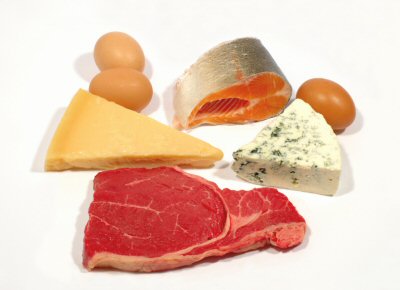
The amino acids in proteins we need can be acquired from a variety of sources, including meat, eggs, dairy products, grains, cereals among others.